Is Freight Broker AI Worth It? An Honest ROI Breakdown
An honest, numbers-first look at whether AI is worth it for a freight brokerage in 2026 — the exact payback math, when it pays off, and when you're better off waiting.
 Marcus DelgadoJune 30, 2026Updated July 14, 20269 min readDispatch Agent

"Is freight broker AI worth it?" is exactly the right question to ask, and it deserves a numbers-first answer instead of a sales pitch. Below is the actual payback math, the situations where AI clearly pays off, and the situations where you're honestly better off waiting.
The math behind the decision
AI is worth it when the value of the time it frees up exceeds what it costs. The formula is refreshingly simple:
- Hours saved per load on automated tasks — check calls, load intake, rate confirmations, inbox triage.
- Times your monthly load volume.
- Times your fully loaded labor cost per hour (wages plus benefits, taxes, and overhead — usually 1.25–1.4x base pay).
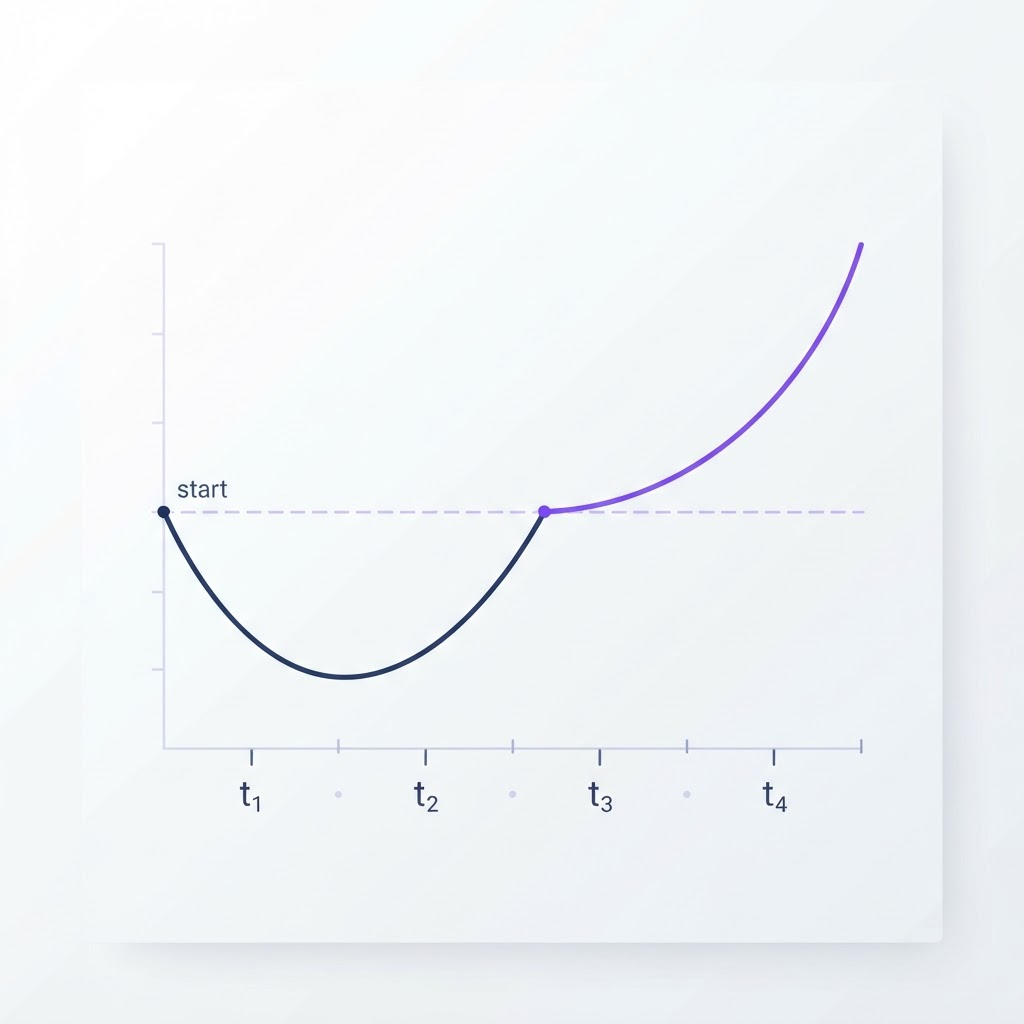
If that number beats the monthly cost of the software, it pays for itself. Everything above break-even is either margin you keep or growth capacity you didn't have to hire for.
Here's a concrete example. Say your reps spend 20 minutes of routine work per load, you move 400 loads a month, and your fully loaded labor cost is $35/hour:
- 20 minutes = 0.33 hours per load
- 0.33 × 400 loads = ~133 hours/month
- 133 × $35 = ~$4,650/month in recoverable labor
If the software costs a fraction of that, the decision makes itself. The point isn't the exact figures — it's that you should run your numbers, not ours.
When AI is clearly worth it
Based on what we see across brokerages, AI pays off fastest when:
- Your reps spend hours a day on check calls and status updates.
- You're about to hire back-office staff just to keep up with volume.
- Loads slip through because setup, vetting, or quoting is too slow.
- You're losing money to preventable service failures like missed appointments or double-brokered loads.
In every one of those cases, the manual work has a hard dollar cost that an AI agent removes. The heavier your routine workload, the faster the payback.
The most expensive automation is the one your competitor buys before you do.
When to wait
I'd rather be honest than oversell. AI is not an obvious win in a couple of situations:
- Very low volume with idle reps. If your team already has slack in the day, automating routine work doesn't free up capacity you can monetize. The payback stretches out.
- Highly non-standard freight. If nearly every load is a one-off requiring heavy human judgment, there's less repetitive work for an agent to absorb. (Though tracking usually still pays off even here.)
If that's you, automate later — but know your break-even point so you can move the moment volume climbs. The mistake is waiting past the point where the math flips in your favor.
AI vs. hiring another coordinator
The most common alternative to AI isn't "do nothing" — it's "hire someone." It's worth comparing directly. A coordinator is a fixed cost, covers one shift, needs onboarding, and takes PTO. An AI agent works around the clock, scales instantly with load volume, and never needs re-training on your SOPs.
That doesn't mean agents replace people. The winning model is a team of specialized agents handling the repetitive work while your reps do what humans do best — build carrier relationships, win customers, and solve the exceptions. You're not choosing between people and AI; you're deciding what each should own.
The risk, honestly assessed
The downside of trying AI is small and bounded: with flat month-to-month pricing after a one-time setup, the worst case is a few months of subscription while you evaluate. Compare that to the unbounded risk of standing still while competitors book freight faster, cover loads cheaper, and give customers better visibility. In a thin-margin business, falling behind on cost per load is the expensive outcome.
Run your own numbers
Don't take my word for any of this. Plug your load count, rep count, and hourly cost into the ROI calculator for a personalized payback estimate. Then compare it against our flat pricing — a one-time setup plus a fixed monthly rate, no per-load fees.
For the bigger picture, see whether AI or a virtual assistant fits your desk, read AI tools for freight brokers for the full landscape, and review how to reduce operating costs for the cost side of the equation.
Frequently asked questions
When does freight broker AI pay for itself?
For most brokerages, when the labor hours saved on repetitive tasks exceed the monthly cost — often within the first few months at moderate load volume. The break-even point depends on hours saved, not headcount.
Is AI worth it for a small brokerage?
It can be, if your reps spend significant time on check calls and data entry. The ROI depends on hours saved, not team size, so even small teams benefit when their day is heavy on manual routine work.
What is the risk if it does not work out?
With flat month-to-month pricing after setup, the downside is limited to a few months of subscription. The larger risk is competitors automating first and booking freight faster than you can source it.
How is AI different from just hiring another coordinator?
A coordinator adds a fixed cost and covers one shift. An agent works 24/7, scales instantly with volume, and never needs re-training. For repetitive work, the cost per load is dramatically lower — though you still want humans for relationships and judgment.
Written by
Marcus Delgado
Head of Brokerage Operations
Marcus spent 15 years running freight desks and covering capacity before moving into operations leadership. He writes about the day-to-day realities of dispatch, carrier vetting, and keeping loads covered without burning out reps.
- 15+ years in freight brokerage
- Former Director of Operations, mid-market 3PL
- Covered 40,000+ loads
Related automations
DAT Inquiry to Office 365 Load Intake Automation for Freight Brokers
Turn raw DAT inquiries into structured, ready-to-work loads inside Office 365 automatically.
Automated Appointment Scheduling for Freight Brokers
Book and confirm pickup and delivery appointments automatically, without the phone tag.
AI Load Building Automation for Freight Brokers
Turn customer tenders and emails into clean, ready-to-cover loads automatically.
Keep reading
Freight Broker Voicemail Alternative: Capture the Call Before It Becomes Lost Revenue
A practical alternative to freight broker voicemail for capturing carrier and shipper calls, routing urgent issues, and protecting opportunities when the desk is busy.
Freight Broker Missed Call Service: Recover Opportunities Without Blind Automation
A practical guide to recovering missed freight broker calls with structured intake, callback ownership, priority rules, and a controlled voice workflow.
Freight Broker Inbound Call Handling: Turn Calls Into Accountable Handoffs
A buying guide to freight broker inbound call handling, including carrier and shipper intake, routing, escalation, and the boundaries that keep the workflow safe.
Never miss the next freight call.
FastFreight Voice answers as your brokerage office, captures structured freight details, and routes the summary to the right broker while the opportunity is live.